

Relationship Therapy Grounded in Science & Compassion
Relationships are complex ecosystems. When they struggle, it is rarely because partners stop caring—it is because they lack the tools and emotional safety to navigate difficult moments together.
“ Even if you don’t understand, you can be kind.”
Modalities
Foundation: Gottman Method & EFT
Assess strengths with precision. Identify the “dance” of disconnection. Build skills and emotional safety.
Emotional Regulation & Presence
DBT for distress tolerance, ACT for values‑based presence, Gestalt for real‑time relational shifts.
Trauma & Safety
Trauma‑informed care and Attachment Theory create safety where triggers are understood, not judged.
Changing Patterns (CBT)
Identify and reframe cognitive distortions fueling resentment.
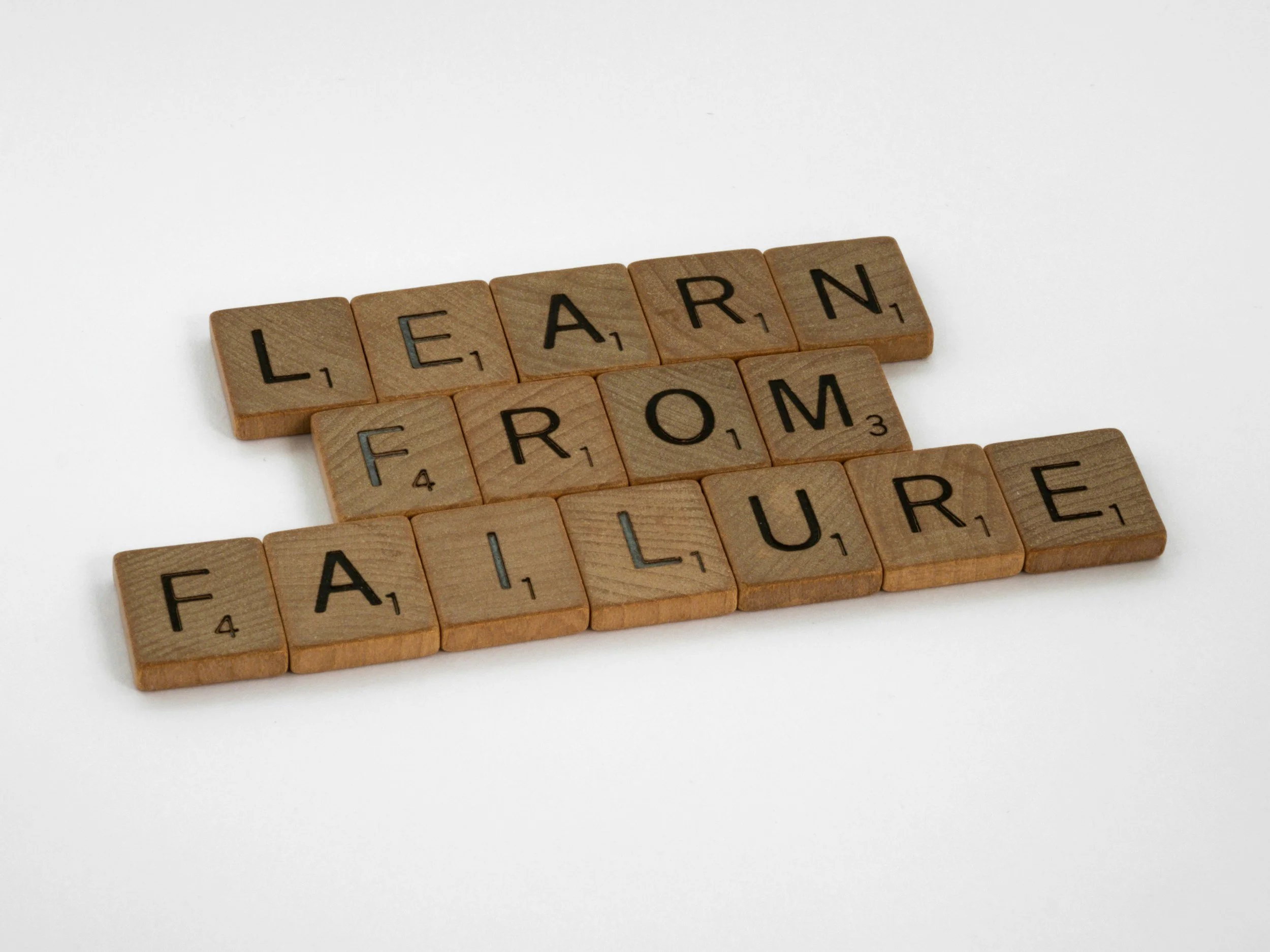
“If you make a mistake, you can correct it. That’s what makes us human.”
The Foundation: Gottman Method & Emotionally Focused Therapy (EFT)
We use the Gottman Method to assess your relationship with clarity, identifying strengths, stress points, and patterns of conflict while providing practical tools you can use immediately.
At the same time, Emotionally Focused Therapy (EFT) helps uncover the emotional and attachment needs beneath the conflict, so you’re not just managing arguments, but changing the cycle itself.
Trauma‑Informed & Attachment‑Based Care
Past experiences shape how we love in the present. Our trauma‑informed approach prioritizes emotional safety, pacing, and consent—ensuring that vulnerability is met with understanding, not judgment.
Through Attachment Theory, we explore how early experiences influence how you seek closeness, respond to distance, and protect yourself in moments of fear.

Regulation, Presence, and Emotional Safety
Conflict often overwhelms the nervous system. We integrate skills from Dialectical Behavior Therapy (DBT) to improve emotional regulation, and Acceptance and Commitment Therapy (ACT) to help you stay present and aligned with your values—even during difficult conversations.
Gestalt techniques bring attention to what is happening right now, allowing meaningful shifts to occur in the room, not just in theory.
“ I don’t know what tomorrow will bring, but I’ll keep moving forward.”